Gordon Ramsay's Silky Lemon Butter Sauce: Restaurant Quality in 15 Mins
Imagine transforming an ordinary weeknight dinner into a gourmet experience worthy of a Michelin-starred restaurant, all with a simple, yet utterly exquisite sauce. That’s the magic of a perfectly executed
butter lemon sauce, and few master it with the panache and precision of Gordon Ramsay. This isn't just any sauce; it's a testament to the power of technique, turning humble ingredients into a velvety, shimmering cascade of flavor. Whether you're aiming for the classic French elegance of a beurre blanc or a slightly richer, creamy variation, this guide will unlock the secrets to a restaurant-quality finish in a mere 10-15 minutes. Prepare to impress, delight, and forever change your approach to home cooking.
Unveiling Gordon Ramsay's Secret: The Art of Silky Beurre Blanc
At the heart of Gordon Ramsay's iconic lemon butter sauce lies the French classic, *beurre blanc* – a sublime emulsion of butter and an acidic reduction. This isn't just about melting butter; it's about coaxing it into a stable, glossy, and intensely flavored sauce that elevates everything it touches. The promise? A dish that looks and tastes like it took hours, but comes together with remarkable speed.
The foundation of any great beurre blanc is a potent, flavorful reduction. This non-negotiable first step involves simmering white wine (often a dry variety like Sauvignon Blanc), finely minced shallots, and sometimes a touch of white wine vinegar until the liquid is almost completely evaporated. Why is this crucial? Reducing the wine concentrates its inherent sweetness and acidity, while cooking off the harsh alcohol notes. The shallots infuse the reduction with an aromatic depth that forms the complex base for your entire sauce. This concentrated liquid isn't just a flavor enhancer; it's the emulsifying agent that will hold your butter in suspension.
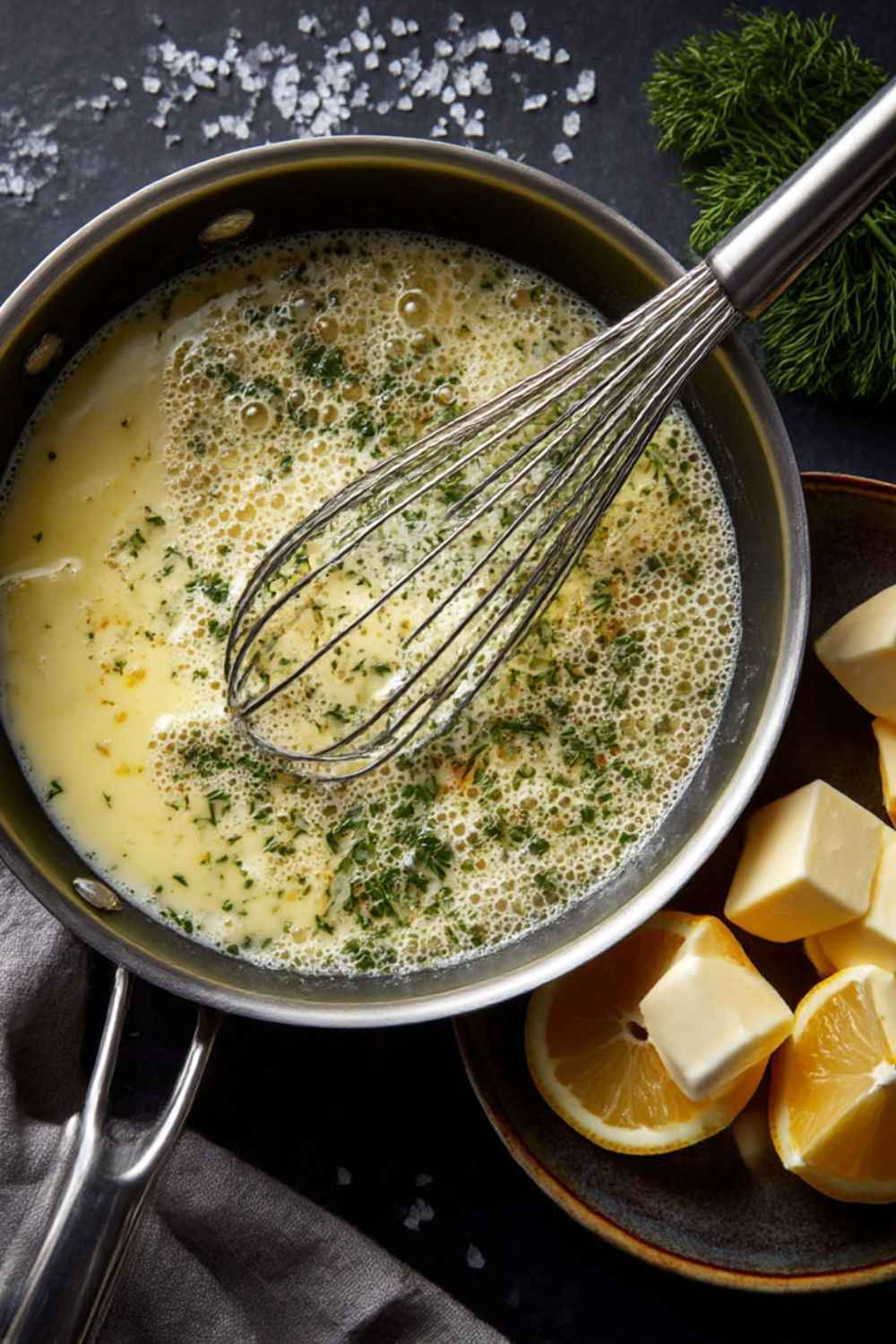
Next comes the pièce de résistance: the *monter au beurre* technique, or "mounting with butter." This is where the alchemy happens, transforming butter from a solid fat into a liquid silk. The secret, as Ramsay himself would emphasize, lies in cold butter and precise temperature control. Once your reduction is complete and off the direct heat (or on very, very low heat), you begin to whisk in small, ice-cold cubes of butter, one by one. The key is to add the butter gradually, allowing each piece to emulsify before adding the next. The cold butter melts slowly into the warm reduction, creating tiny fat globules that disperse evenly throughout the liquid rather than separating into an oily mess. Continuous, vigorous whisking is vital here – it forces the fat and liquid to combine into a stable emulsion, resulting in that signature silky, glossy texture.
A common pitfall is overheating. If the sauce gets too hot, the butter's fat and water components separate, causing the sauce to "break" and become oily. This is why whisking off the heat or over extremely gentle warmth is paramount. For a deeper dive into mastering this delicate balance and troubleshooting common issues, consider exploring
Mastering Beurre Blanc: The Secret to Silky, Unbroken Lemon Butter Sauce.
Finally, the lemon juice. For maximum brightness and fresh zest, lemon juice is always added at the very end, just before serving, and crucially, off the heat. If added too early, the vibrant, delicate citrus notes would cook off, leaving behind a duller, more muted flavor. This final touch provides the essential zesty counterpoint to the rich butter, creating a perfectly balanced flavor profile that sings on the palate.
A true beurre blanc is famously unstable. It's meant to be made *à la minute* (right before serving) because it doesn't hold well and almost certainly won't reheat without breaking. So, when Ramsay promises restaurant quality, he also implies restaurant timing – serve it immediately for the ultimate experience.
Beyond Beurre Blanc: The Versatility of a Creamy Lemon Butter Sauce
While the classic beurre blanc is undeniably elegant, there's another beloved style of
butter lemon sauce that offers incredible versatility and a slightly more forgiving nature: the creamy lemon butter sauce. This variation often incorporates a touch of cream, which adds an extra layer of richness and helps stabilize the emulsion, making it a fantastic choice for home cooks looking for foolproof results.
The beauty of a creamy lemon butter sauce, often ready in just 10 minutes, lies in its ability to transform an array of everyday ingredients into something extraordinary. This is the sauce that famously saved many a parent during phases where children only wanted "white foods," making cauliflower, chicken, or pasta not just palatable, but genuinely exciting. Its bright, comforting flavor encourages even picky eaters to embrace their dinner.
Imagine perfectly al dente pasta coated in this luxurious sauce, or pan-seared chicken breast glistening with its golden sheen. It’s also an undisputed champion when paired with seafood, from delicate white fish like cod or sole to succulent shrimp or scallops. The cream mellows the acidity of the lemon slightly, creating a harmonious blend that complements rather than overpowers.
What makes this creamy version so appealing is its remarkable ability to make you look like a culinary wizard, even if your skills are still developing. You can confidently serve this at a dinner party, and your guests will assume you spent hours laboring in the kitchen. When they discover it’s just butter, cream, and lemon, and comes together in mere minutes, their surprise and admiration are genuinely rewarding. This is the recipe that proves you don't need complex techniques to achieve impressive results. For a detailed, foolproof method for this quicker, creamy variation, explore
Transform Ordinary Meals: Easy 10-Minute Creamy Lemon Butter Sauce Recipe.
Why This Butter Lemon Sauce Will Elevate Every Meal
Regardless of whether you lean towards the classic beurre blanc or its creamy cousin, mastering a
butter lemon sauce is a game-changer for your cooking repertoire. It's more than just a condiment; it's a culinary catalyst that brings brightness, richness, and an undeniable sophistication to almost any dish.
Think about the sensory experience: the glossy sheen reflecting light, the inviting aroma of fresh lemon and rich butter, and then the first taste – a symphony of bright acidity cutting through luxurious richness, often with a subtle hint of aromatic shallots. This sauce has the unique ability to balance flavors, provide moisture, and add a layer of indulgence that simple seasoning alone cannot achieve.
For lighter proteins, like grilled fish or roasted chicken, it provides a much-needed depth and moisture. For richer dishes, like steak or pork, the lemon's acidity offers a refreshing counterpoint, preventing the meal from feeling heavy. Even simple steamed vegetables, from asparagus to green beans, are utterly transformed into something elegant and desirable.
Beyond its incredible flavor, the practicality of a quick, restaurant-quality sauce cannot be overstated. In our busy lives, the ability to whip up something truly special in 10-15 minutes is invaluable. It means you can serve a "fancy" dinner on a chaotic Tuesday, making you feel more accomplished and your family more delighted. It's the ultimate culinary secret weapon.
Foolproof Tips for Your Perfect Butter Lemon Sauce
To ensure your
butter lemon sauce is consistently silky, flavorful, and restaurant-quality, keep these essential tips in mind:
1.
Quality Ingredients Matter: Since butter and lemon are the stars, use the best quality unsalted butter you can find and always fresh lemon juice. Avoid bottled lemon juice; its flavor is flat in comparison.
2.
Cold Butter is Crucial (for Beurre Blanc): For the classic beurre blanc, start with butter cut into small, cold cubes directly from the fridge. This allows it to emulsify gradually rather than just melt.
3.
Gentle Heat is Key: When mounting the butter for beurre blanc, ensure the heat is very low or completely off. If the pan feels too hot, lift it off the stove while whisking. For creamy variations, you can tolerate slightly more heat, but still, avoid boiling.
4.
Whisk, Whisk, Whisk: Consistent and vigorous whisking is non-negotiable, especially for beurre blanc. It’s what creates and maintains the emulsion, resulting in that desired silky texture.
5.
Taste and Adjust: Always taste your sauce before serving. You might want a touch more lemon for brightness, a pinch of salt to enhance flavors, or a grind of black pepper.
6.
Serve Immediately: While creamy versions are more stable, all lemon butter sauces are best served fresh, *à la minute*. If you must hold it briefly, keep it in a warm (not hot) spot and whisk occasionally. Never try to reheat a classic beurre blanc.
7.
Use a Heavy-Bottomed Pan: A pan with a thick base distributes heat more evenly, reducing the risk of your sauce getting too hot and breaking.
8.
Strain for Perfection (Optional): For an ultra-smooth beurre blanc, consider straining the finished sauce through a fine-mesh sieve to remove the shallot pieces before serving.
Mastering a
butter lemon sauce is more than just learning a recipe; it's about understanding fundamental culinary techniques that will empower you to create impressive, flavorful meals with confidence. Whether you’re channeling Gordon Ramsay’s classic beurre blanc or opting for a quicker creamy version, this versatile sauce is your ticket to elevating everyday dishes into memorable dining experiences. So grab your whisk, embrace the simple elegance of butter and lemon, and prepare to transform your kitchen into a gourmet haven, one silky sauce at a time.