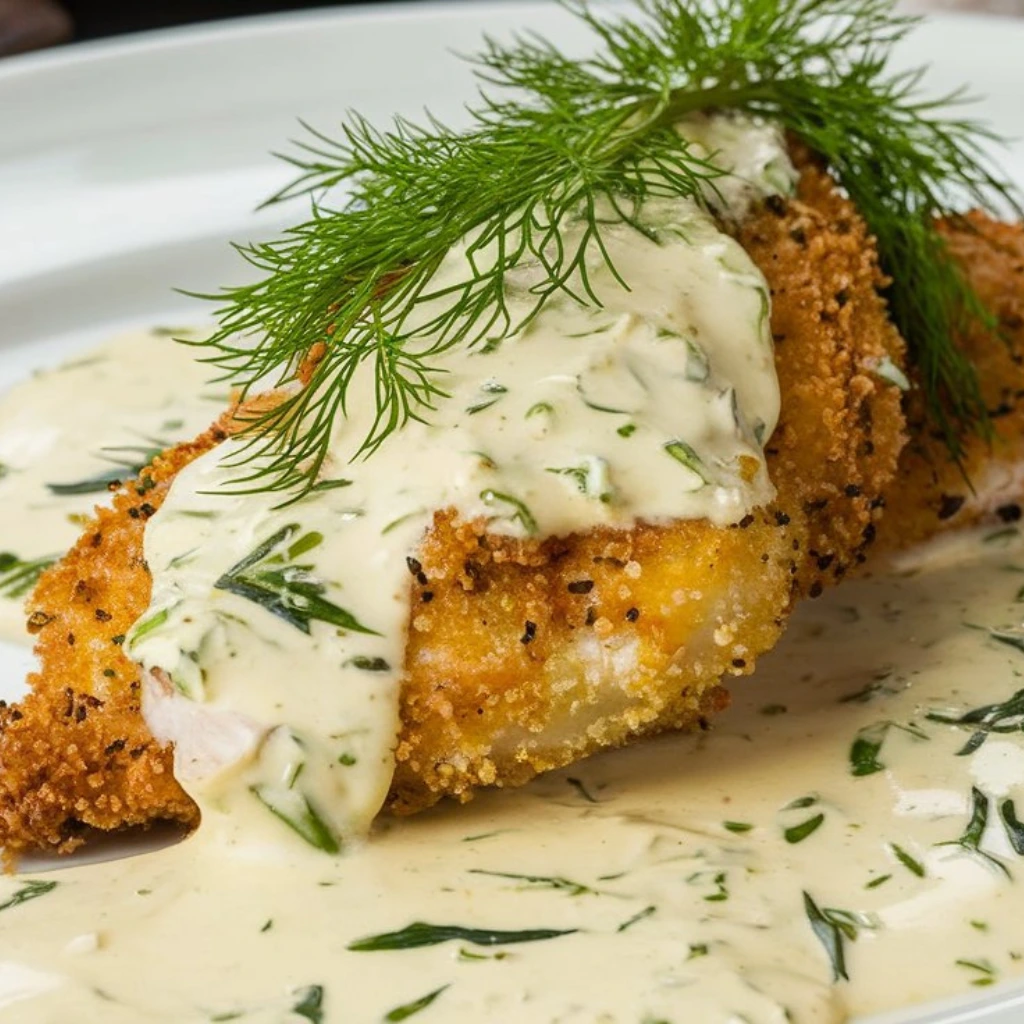
Mastering Beurre Blanc: The Secret to Silky, Unbroken Lemon Butter Sauce
Imagine a sauce so luxurious, so perfectly balanced, it can transform a simple piece of fish or chicken into a gourmet meal. We're talking about a truly exceptional butter lemon sauce. Whether it's the classic, delicate French beurre blanc or a richer, creamy variation, mastering this culinary staple is a game-changer for any home cook. This article will unlock the secrets to achieving that restaurant-quality sheen and velvety texture, ensuring your sauce never splits.
From the iconic Gordon Ramsay-style beurre blanc, known for its pristine emulsion and bright flavor, to the comforting and versatile 10-minute creamy lemon butter sauce that can save weeknight dinners, we'll explore the techniques that elevate these simple ingredients into something extraordinary. Get ready to impress your guests – and yourself – with a sauce that tastes far more complicated than it is to make.
The Art of Beurre Blanc: What Makes This Classic So Special?
At its heart, a classic beurre blanc is an emulsion – a magical suspension of fat (butter) in an acidic liquid (wine reduction). There's no cream involved; its richness comes purely from the butter, making it famously light yet intensely flavorful. The key to its silky, unbroken texture lies in a French technique called monter au beurre, which translates to "mount with butter."
- Emulsification Explained: Think of it like a tiny dance. As you whisk cold butter into a warm (not hot) reduction, the fat molecules from the butter break down and disperse evenly throughout the liquid. This creates a stable, homogenous mixture that's thick, glossy, and beautifully smooth. If the sauce gets too hot, the butter melts completely, the fat separates from the liquid, and the emulsion breaks, leaving you with an oily mess.
- The Role of Cold Butter: Using cold butter, cut into small cubes, is non-negotiable. Cold butter melts slowly and gradually. This slow introduction allows the fat to be thoroughly incorporated into the reduction, forming a stable emulsion. If you add warm or soft butter, it melts too quickly, making it difficult for the molecules to emulsify properly.
- Temperature Control is King: This is arguably the most critical aspect. The sauce must be whisked over very low heat or, ideally, off the heat entirely, relying on the residual warmth of the pan. This gentle heat helps melt the butter just enough to emulsify without causing it to separate. If you see it getting too warm, lift the pan off the burner immediately.
The Foundational Steps: Building Flavor and Stability
Before you even think about butter, you need a robust, flavorful base. This foundation is what gives your butter lemon sauce its depth and complexity.
- The Non-Negotiable Reduction: This step cannot be skipped.
- Why It's Crucial: Reducing white wine and finely minced shallots (and sometimes a splash of white wine vinegar or a bay leaf) serves multiple purposes. It cooks off the harsh alcohol taste, concentrates the sweet and acidic flavors of the wine, and creates a syrupy base that is packed with umami. This concentrated liquid is the anchor for your emulsion.
- Choosing Your Wine: Opt for a dry white wine like Sauvignon Blanc, Pinot Grigio, or even a dry vermouth. Avoid anything sweet or overly oaky, as it can overpower the delicate butter and lemon flavors.
- The Process: Sauté minced shallots gently until translucent. Add your wine (and any optional aromatics) and bring to a simmer. Reduce the liquid until it's almost gone, just a tablespoon or two of syrupy goodness remains. This intense flavor profile is what separates a good beurre blanc from a truly great one.
- Mounting with Butter: The Monter au Beurre Technique:
- Preparation: Have your cold butter cut into 1-inch cubes, ready to go. Ensure your pan is off the heat or over the absolute lowest setting.
- The Whisking: Add one or two cubes of butter at a time to the warm reduction. Whisk continuously and vigorously in a figure-eight motion until each piece is fully incorporated and the sauce begins to thicken and become opaque. Only then should you add the next piece.
- Patience is a Virtue: This step takes a few minutes, but rushing it will lead to a broken sauce. Continue adding butter and whisking until you've reached your desired consistency – typically thick enough to coat the back of a spoon, but still pourable.
Mastering the Finish: Lemon, Seasoning, and Serving Perfection
You've built a beautiful emulsion; now it's time to bring it to life with the final touches.
- The Grand Finale: Lemon Juice:
- Off the Heat, Always: The fresh lemon juice is added right at the very end, once the sauce is off the heat. Adding it earlier in the cooking process will cause its bright, volatile flavors to cook off, leaving you with a dull, muted taste.
- Fresh is Best: Always use freshly squeezed lemon juice. The bottled stuff simply doesn't compare in terms of vibrant flavor and aroma. For an extra citrusy kick, you can also grate in a tiny bit of lemon zest at this stage.
- Seasoning to Taste: Taste your sauce! It will likely need a pinch of salt and a grind of white pepper. Adjust as necessary, remembering that the richness of the butter and tartness of the lemon need to be perfectly balanced.
- Serving Immediately (À la Minute): A true beurre blanc is notoriously unstable. It's designed to be made à la minute – right before serving. It does not hold or reheat well and will almost certainly break.
- If You Must Hold: If you absolutely need to hold it for a few minutes, keep it in a warm (not hot) spot on the stove, like a pilot light, or in a double boiler over barely simmering water, whisking occasionally. However, for the best experience, serve it as soon as it's finished.
- Perfect Pairings: This elegant butter lemon sauce is a sublime accompaniment for simply cooked proteins like pan-seared scallops, roasted chicken, grilled fish (salmon, cod, halibut), steamed asparagus, or even as a luxurious pasta sauce.
Beyond the Classic: Exploring a Creamy Lemon Butter Sauce
While the classic beurre blanc is an exercise in delicate emulsion, there's another beloved version: the creamy butter lemon sauce. This iteration introduces heavy cream, offering a more stable, forgiving, and intensely rich alternative that's just as delicious in its own right.
- The Cream Advantage: Adding heavy cream provides a natural stabilizer, making the sauce less prone to splitting and much easier to reheat (though fresh is still always best!). The cream also lends a luxurious body and velvety mouthfeel that some prefer over the lighter texture of a traditional beurre blanc.
- Quicker and More Forgiving: This version is often quicker to prepare, typically coming together in under 10-15 minutes, making it a fantastic option for busy weeknights. Its robustness means you don't have to be quite as meticulous with temperature control, making it a great entry point for sauce-making novices.
- How It's Made:
- You still start with a reduction, though it might be simpler (often just shallots and white wine, or sometimes just chicken broth).
- After the reduction, heavy cream is added and simmered gently until it slightly thickens.
- Finally, cold butter is whisked in, off the heat, followed by the fresh lemon juice and seasoning. The cream helps bind everything beautifully.
- Versatility for Everyday Meals: This creamy version truly shines with a wide array of dishes. It's the kind of sauce that can make even "white foods" appealing to picky eaters, as one home cook discovered when trying to get her daughter excited about dinner. Drizzle it over pasta, chicken cutlets, roasted cauliflower, or pan-fried shrimp for an instant upgrade that tastes incredibly fancy without the fuss. It's the secret weapon that makes you feel like a gourmet chef, even on your most chaotic evenings.
Conclusion
Whether you choose to master the delicate art of beurre blanc or embrace the comforting richness of a creamy butter lemon sauce, you're investing in a culinary skill that will pay dividends. Both sauces, in their own right, are capable of transforming ordinary ingredients into extraordinary meals, proving that impressive and complicated are not always the same thing. With fresh ingredients, a little patience, and attention to technique, you'll be whisking up silky, unbroken sauces that earn rave reviews and make every meal feel like a special occasion. So grab your whisk, cube that cold butter, and get ready to elevate your cooking!
